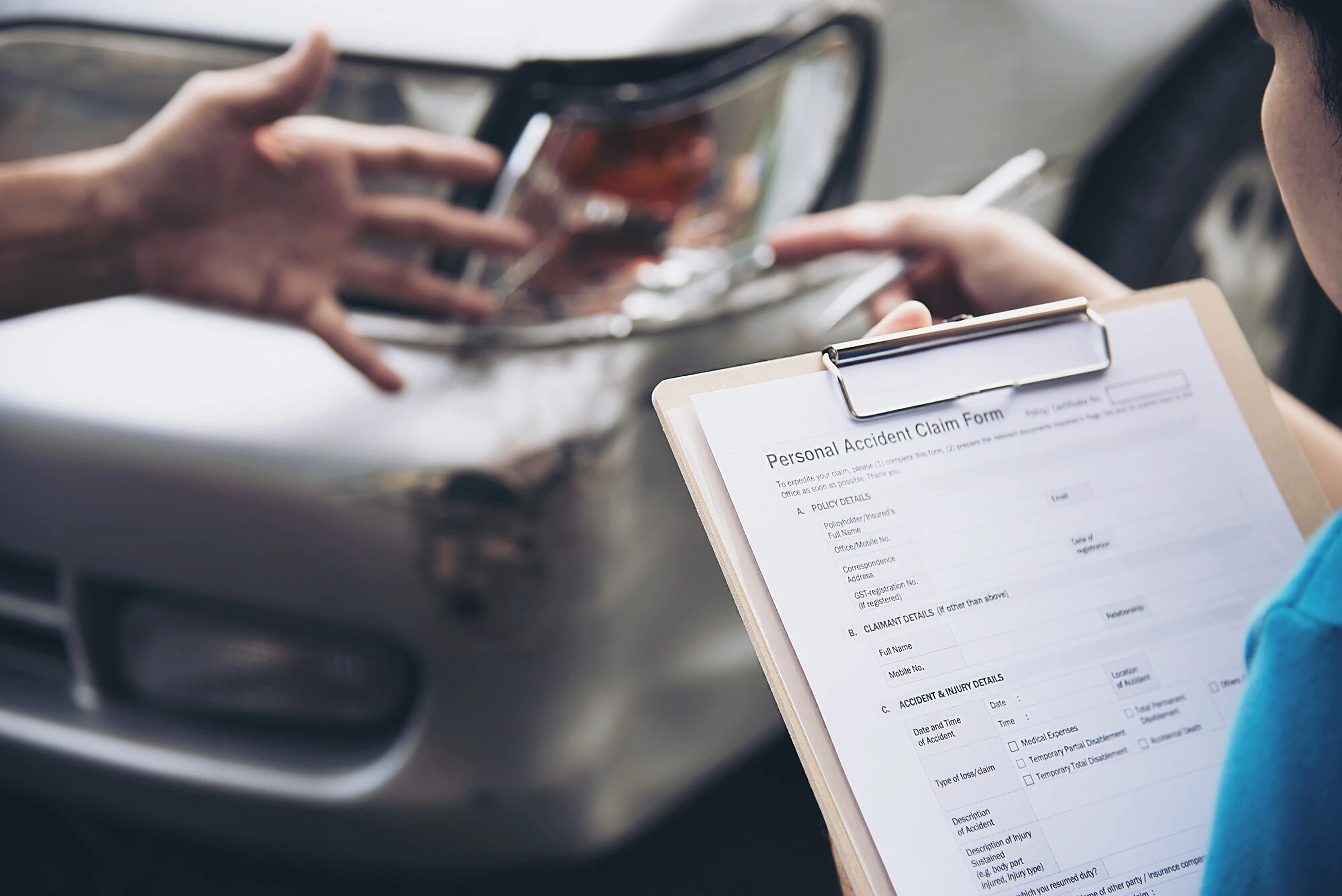
Personal Injury Protection can help pay medical bills and certain losses after an accident, regardless of who caused the crash. VanWa Legal PLLC helps injured people in Vancouver and Clark County understand PIP benefits and pursue full compensation after an accident.
Serving Vancouver and Southwest Washington
$1.15M wrongful death settlement
No fee unless we win
Attorney led representation








What Is PIP
Personal Injury Protection, commonly called PIP, is a type of auto insurance coverage that can help pay for your medical care and certain other losses after an accident. Unlike a liability claim, PIP applies regardless of who caused the crash, which makes it one of the fastest sources of help available while a larger injury claim is still being worked out.
That speed matters. Medical bills do not wait for a settlement, and PIP can start covering treatment costs long before fault is resolved or a final claim amount is reached. What exactly your policy covers, and at what limits, depends on the specific terms you or your household carries.
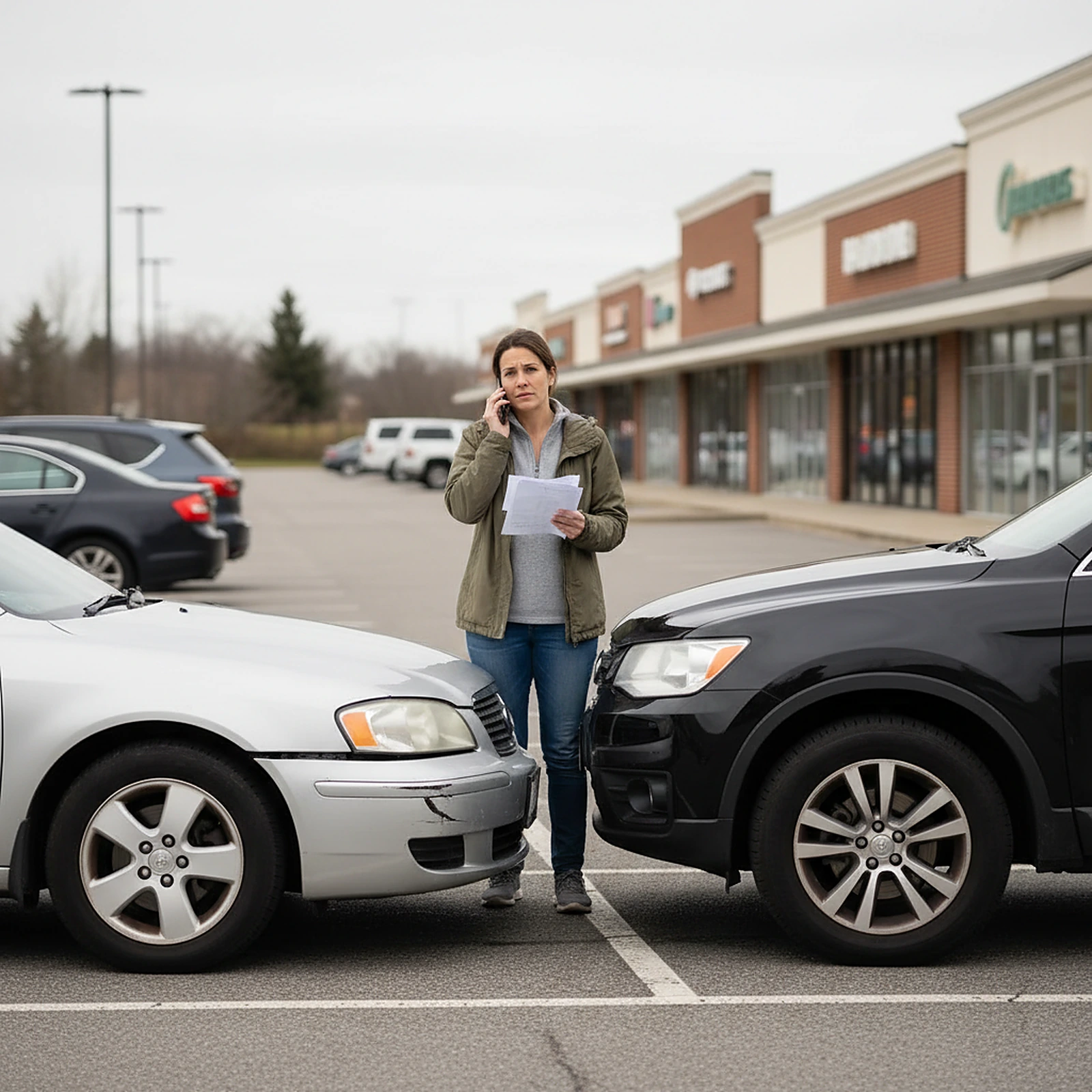
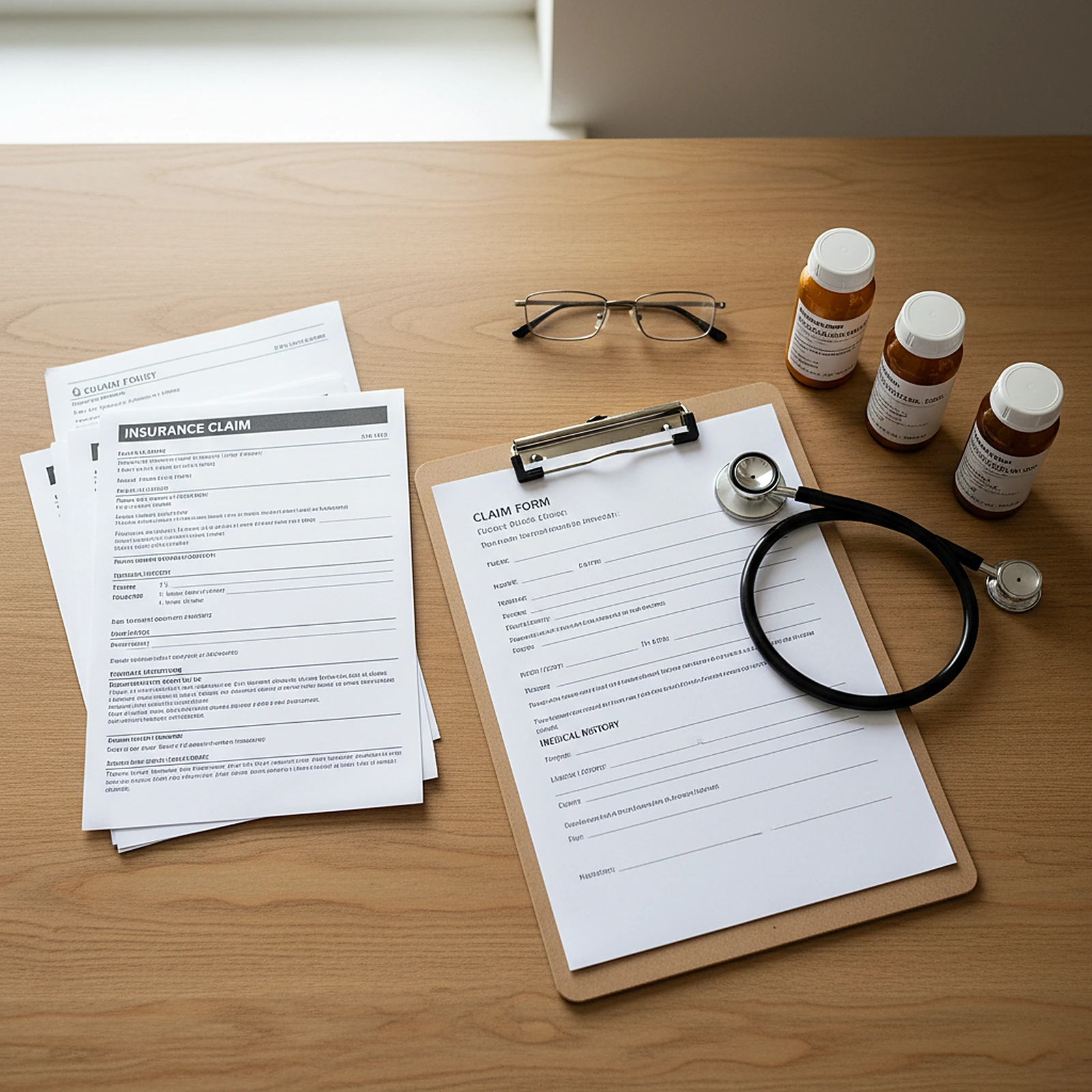
Washington insurers are required to offer PIP coverage, but the choice to accept or reject it belongs to the policyholder. Many drivers reject it, sometimes without fully understanding what they gave up, or simply do not remember whether they accepted or declined it when the policy was purchased.
This is part of why so many people are unsure whether they even have PIP after an accident. Checking your policy's declarations page is the fastest way to find out, and if the coverage picture is unclear, an attorney can review the policy directly and explain exactly what applies to your situation.

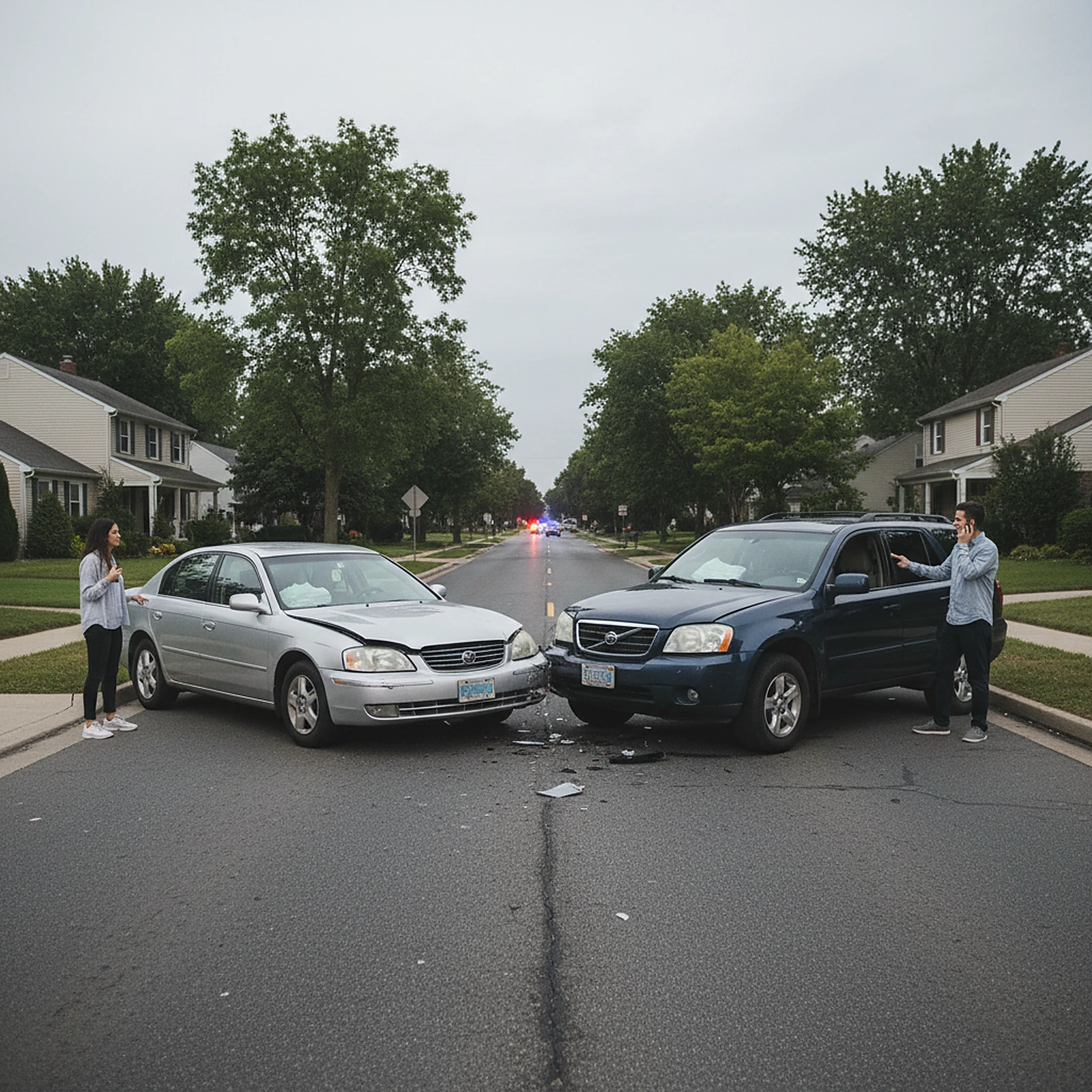
Which coverage pays first, PIP or your own health insurance, depends on your specific policies and how they coordinate with each other. Deductibles and co-pays can differ significantly between the two, and health insurance often places a medical lien on your eventual settlement through a process called subrogation, meaning a portion of what you recover may go toward repaying bills they already covered.
Coordinating these two sources of coverage matters, and ignoring medical bills while you wait for a settlement is one of the costliest mistakes an injured person can make. Bills that go unpaid can affect your credit and your treatment access long before your claim is resolved.
PIP is entirely separate from a liability claim against the at fault driver. It can start helping with your medical bills while that larger claim is still pending, without waiting on fault to be determined or a settlement to be reached.
The at fault driver's insurer may still owe you damages beyond what PIP has already paid, including pain and suffering, lost income beyond PIP's limits, and other losses PIP does not cover. A full settlement should account for everything you're owed, not just what PIP has already provided.
PIP claims can be denied or delayed for reasons that are not always straightforward, missing records, disputes over what counts as medically necessary, or an independent medical exam that contradicts your own doctor's findings. Insurers sometimes cut off treatment before your recovery is actually complete, arguing that further care is not related to the accident.
These disputes can feel discouraging, but a denial is not always the final word. Legal help often becomes necessary when an insurer is treating a legitimate claim like it is somehow suspect.

FAQ
Insurers are required to offer it, but policyholders can choose to reject it, so not everyone carries PIP coverage.
Got some more questions? Send us a message at contact@vanwalegal.com
Contact us
If you're unsure what your PIP coverage includes, or an insurer is disputing your claim, you do not have to sort it out alone. Talk to an attorney about your coverage at no cost, and pay nothing unless we win.