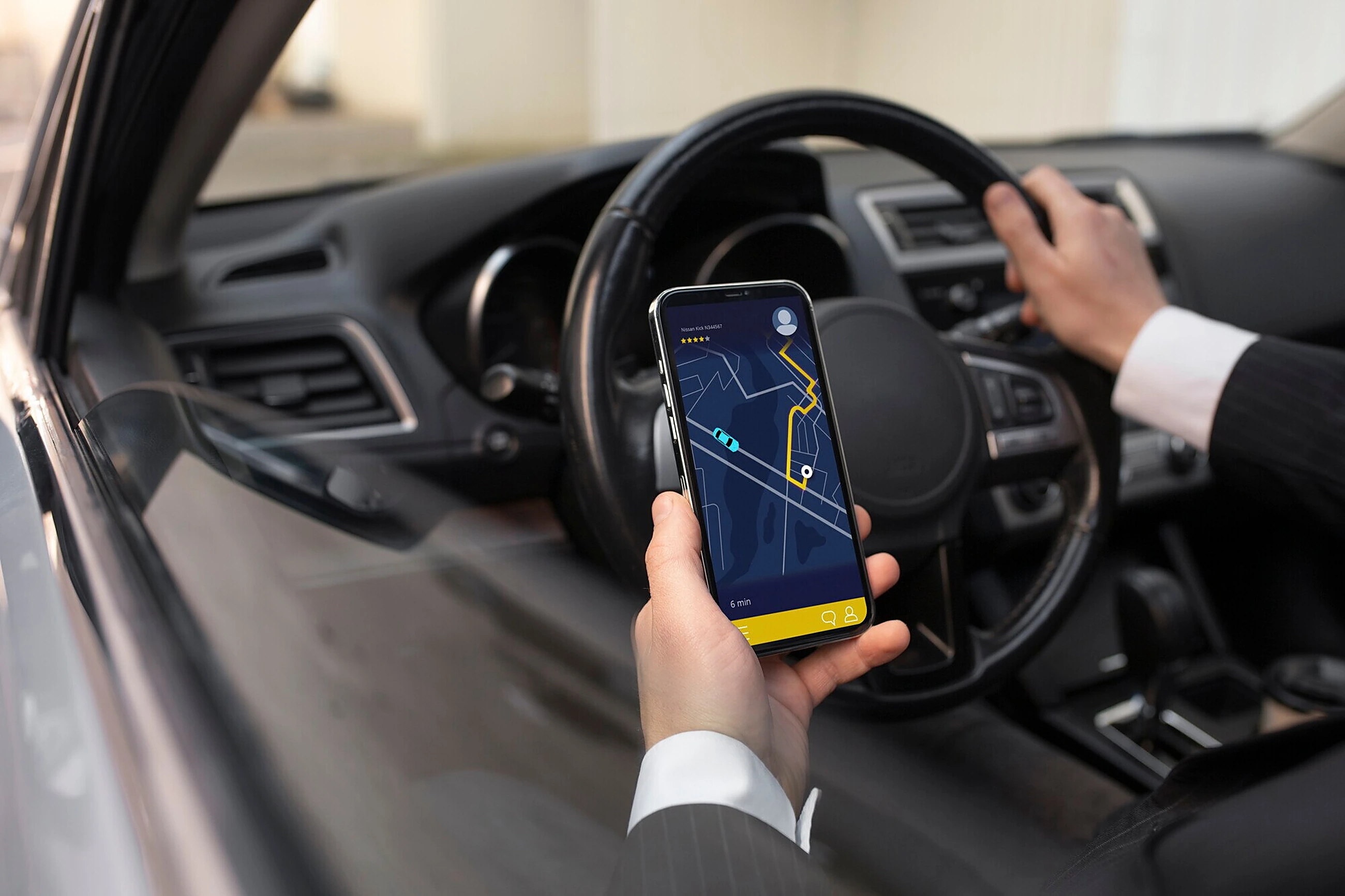
Uber and Lyft accident claims can involve complicated insurance rules. VanWa Legal PLLC helps injured passengers, drivers, pedestrians, and cyclists in Vancouver and Clark County identify the right coverage and pursue compensation.
Serving Vancouver and Southwest Washington
$1.15M wrongful death settlement
No fee unless we win
Attorney led representation








A rideshare crash is rarely as simple as a normal car accident claim. What insurance applies often depends on a single detail, whether the driver's app was on, whether they had accepted a ride, and whether a passenger was in the vehicle at the moment of the crash.
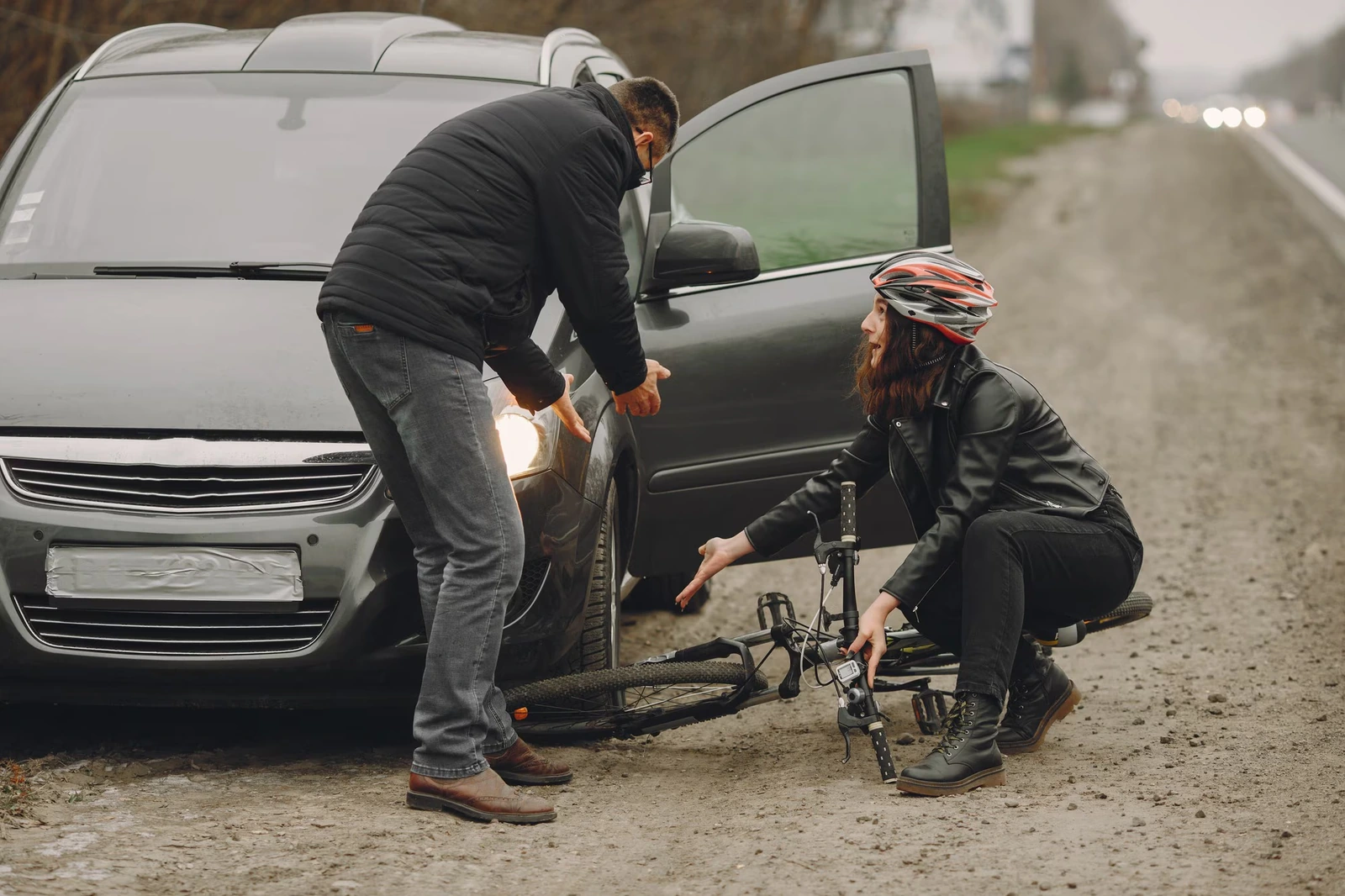
Victims are not limited to passengers. Other drivers, pedestrians, and cyclists hit by an Uber or Lyft vehicle face the same complicated coverage questions, often without knowing which policy is even supposed to respond to their claim.
VanWa Legal PLLC represents anyone injured in a rideshare related crash across Vancouver and Clark County. Because app status and trip data can be hard to access later, early investigation is one of the most important parts of a rideshare claim.

Who Can File a claim
Passengers hurt during a ride are generally covered by the rideshare company's commercial policy, which applies from pickup to drop off.
If an Uber or Lyft driver caused your crash while you were driving your own vehicle, coverage depends heavily on the rideshare driver's app status at the time.
Pedestrians struck by a rideshare vehicle can pursue a claim against the applicable policy, whether that is the driver's personal insurance or the company's commercial coverage.
Cyclists face the same layered coverage questions as pedestrians, with the right policy depending on exactly what the driver was doing in the app when the crash happened.
If you were driving for Uber or Lyft and another driver caused the crash, your claim may involve the at fault driver's insurance along with rideshare company coverage, depending on your app status.
When a driver flees the scene, identifying who caused the crash becomes harder, and the case often shifts toward uninsured motorist coverage.
Why it is Complicated
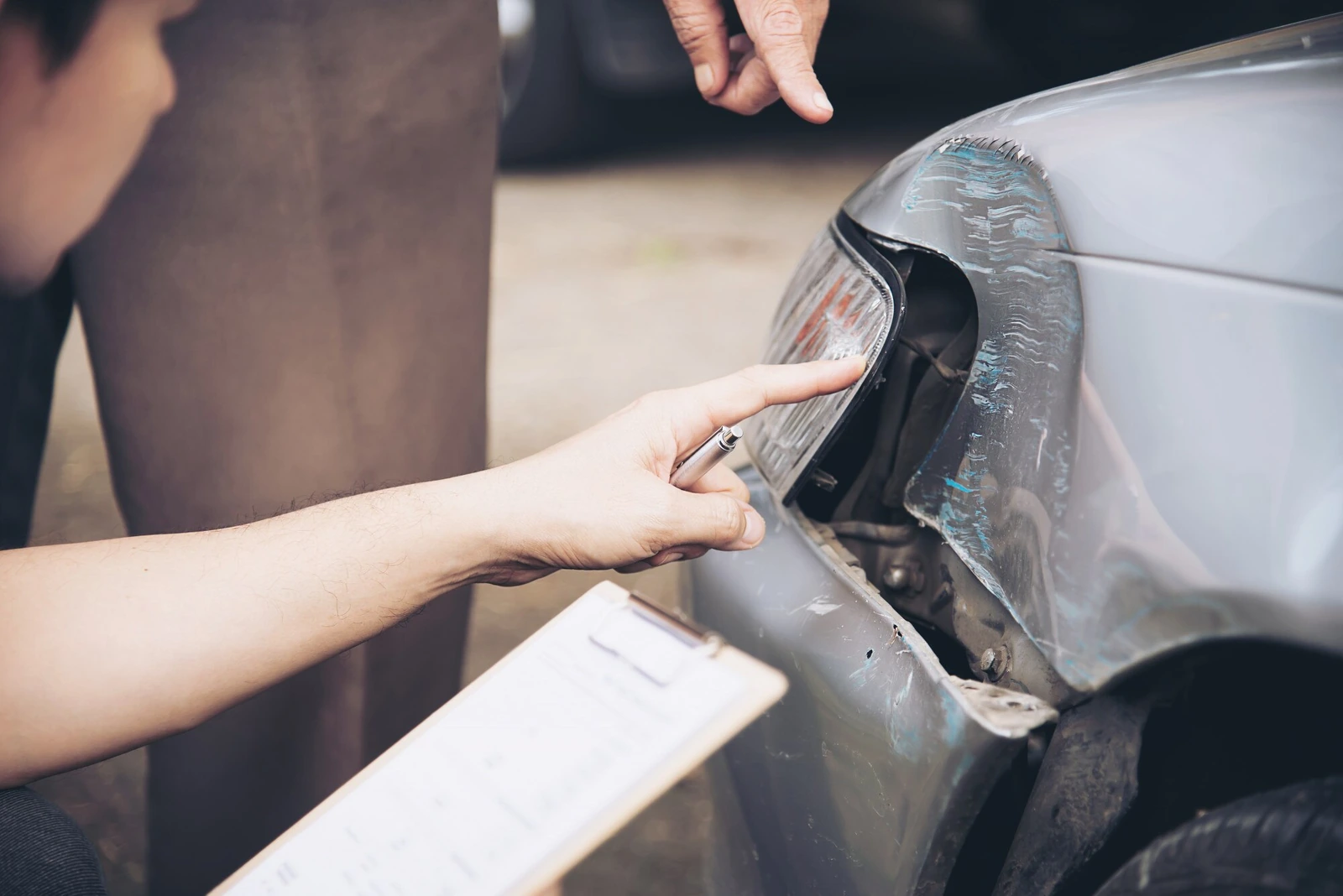
The insurance that applies to a rideshare crash changes based on exactly what the driver was doing at the moment of impact. A driver waiting for a ride request has different, and often lower, coverage than one who has accepted a ride or has a passenger in the car.
Most personal auto insurance policies exclude coverage while a driver is working for a rideshare app, which is exactly why the company's own commercial policy exists to fill that gap. But that policy does not always apply cleanly, and rideshare companies frequently dispute a driver's app status to limit their own exposure. Underinsured motorist coverage (UIM) can also come into play if the applicable rideshare policy is not enough to cover a serious injury. It is common for more than one insurer to point at the other before anyone accepts responsibility, which is why these claims need an attorney who understands how the app status rules actually work.
Common Causes
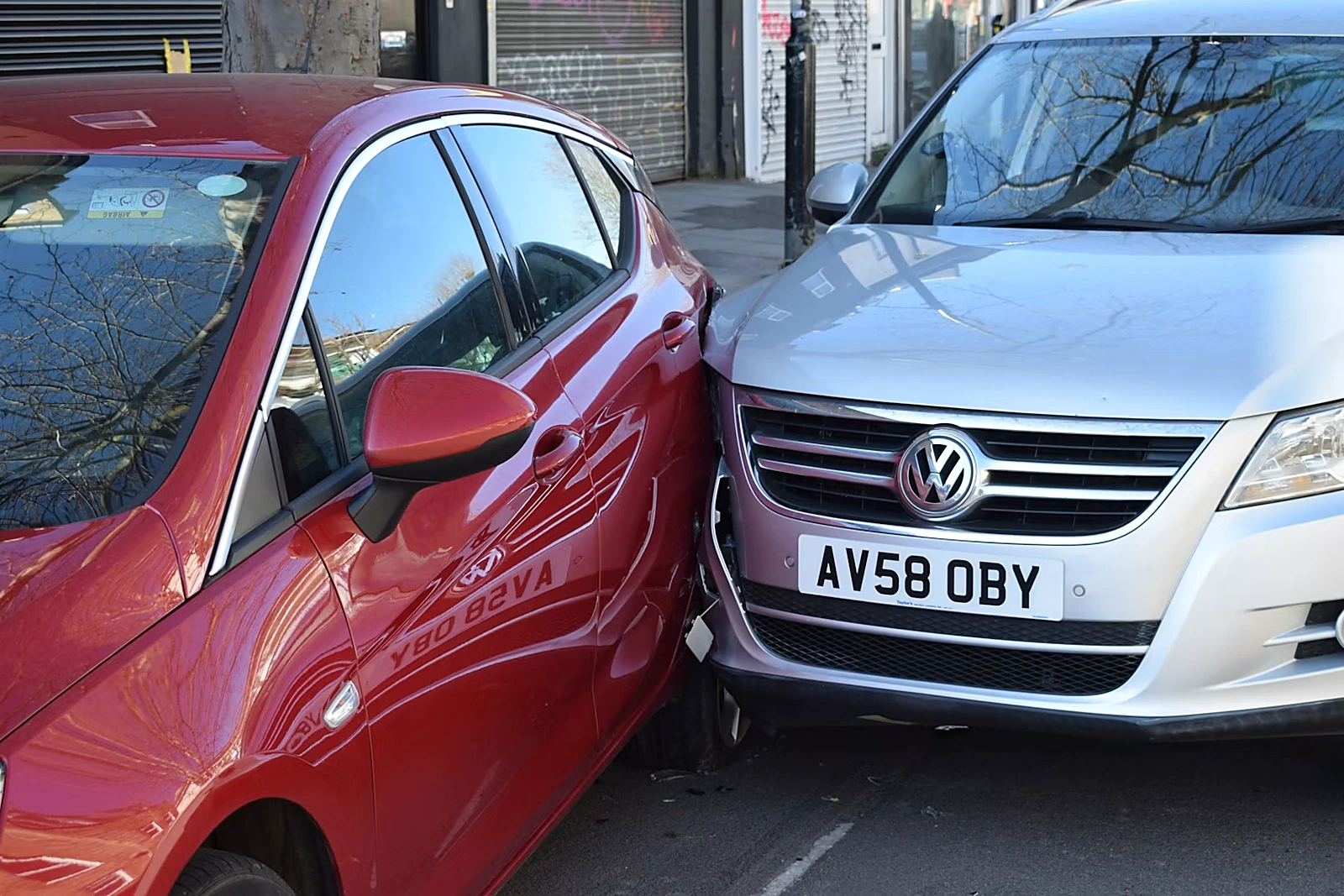
Because app status determines which policy applies, the evidence in a rideshare claim looks different from a standard car accident case.
Common Injuries


Compensation
*The compensation available depends on the facts of your case,
What to Do After
FAQ
In most cases, claims are handled through the rideshare company's insurance policy rather than a direct lawsuit against Uber or Lyft as a company, though the details depend on your specific situation.
Got some more questions? Send us a message at contact@vanwalegal.com
Contact us
Whether you were a passenger, a driver, a pedestrian, or a cyclist, you do not have to sort out which insurance policy applies on your own. Talk to an attorney about your case at no cost, and pay nothing unless we win.