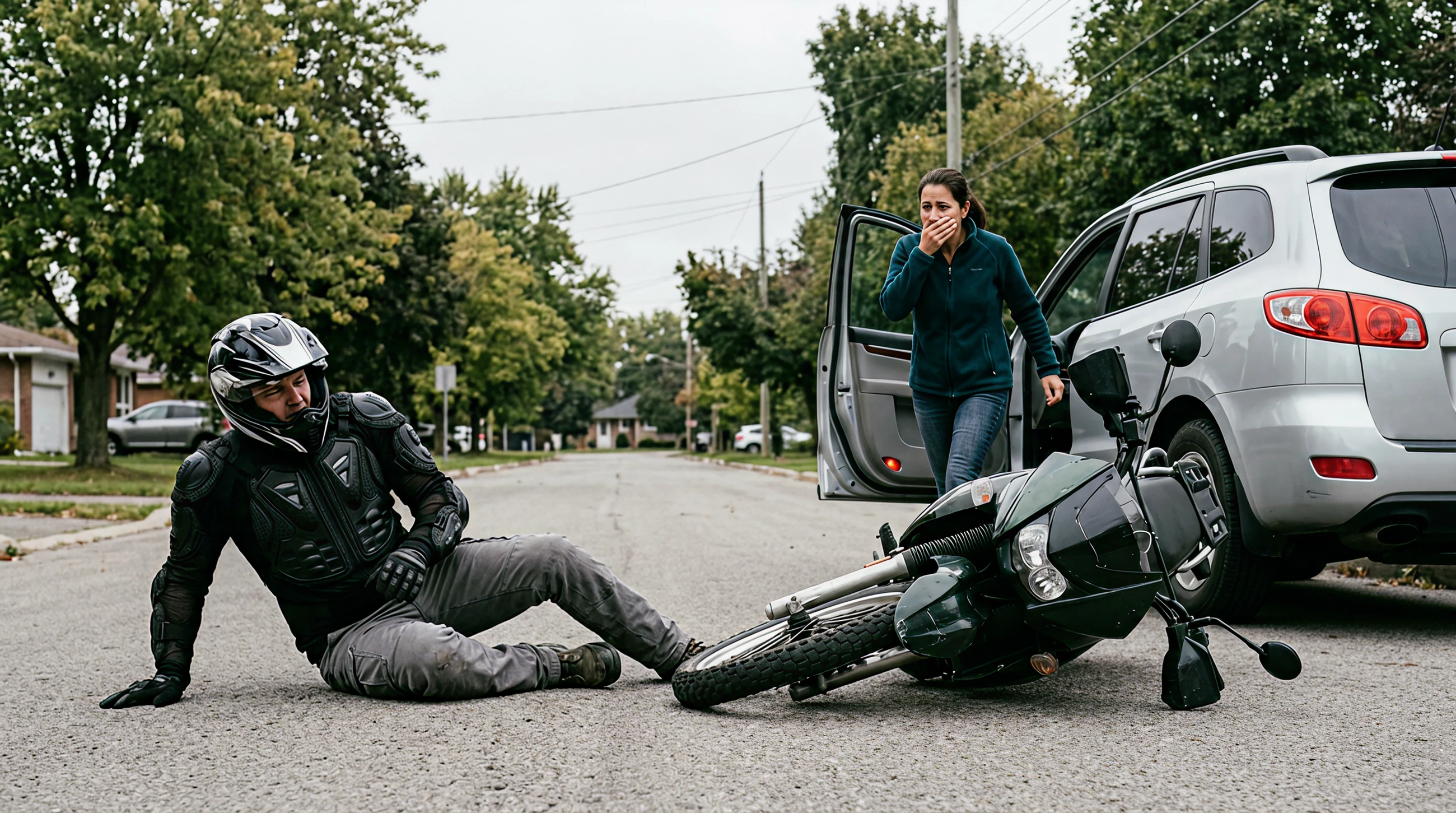
Motorcycle accidents often cause serious injuries and unfair blame from insurance companies. VanWa Legal PLLC helps injured riders in Vancouver, Clark County, and Southwest Washington fight for full compensation.
Serving Vancouver and Southwest Washington
$1.15M wrongful death settlement
No fee unless we win
Attorney led representation








A motorcycle offers almost none of the protection a car does. When a driver makes a mistake, riders absorb the impact directly, and the resulting injuries are often far more severe than a typical car accident.
On top of that, riders face an uphill battle with insurance companies that are quick to assume a motorcyclist was speeding, weaving, or otherwise at fault before any evidence is reviewed. That bias shapes settlement offers before your case even gets a fair look.
VanWa Legal PLLC represents injured riders throughout Vancouver, Clark County, and Southwest Washington. A motorcycle case is not a car accident case with different vehicles, it needs its own strategy from the start.
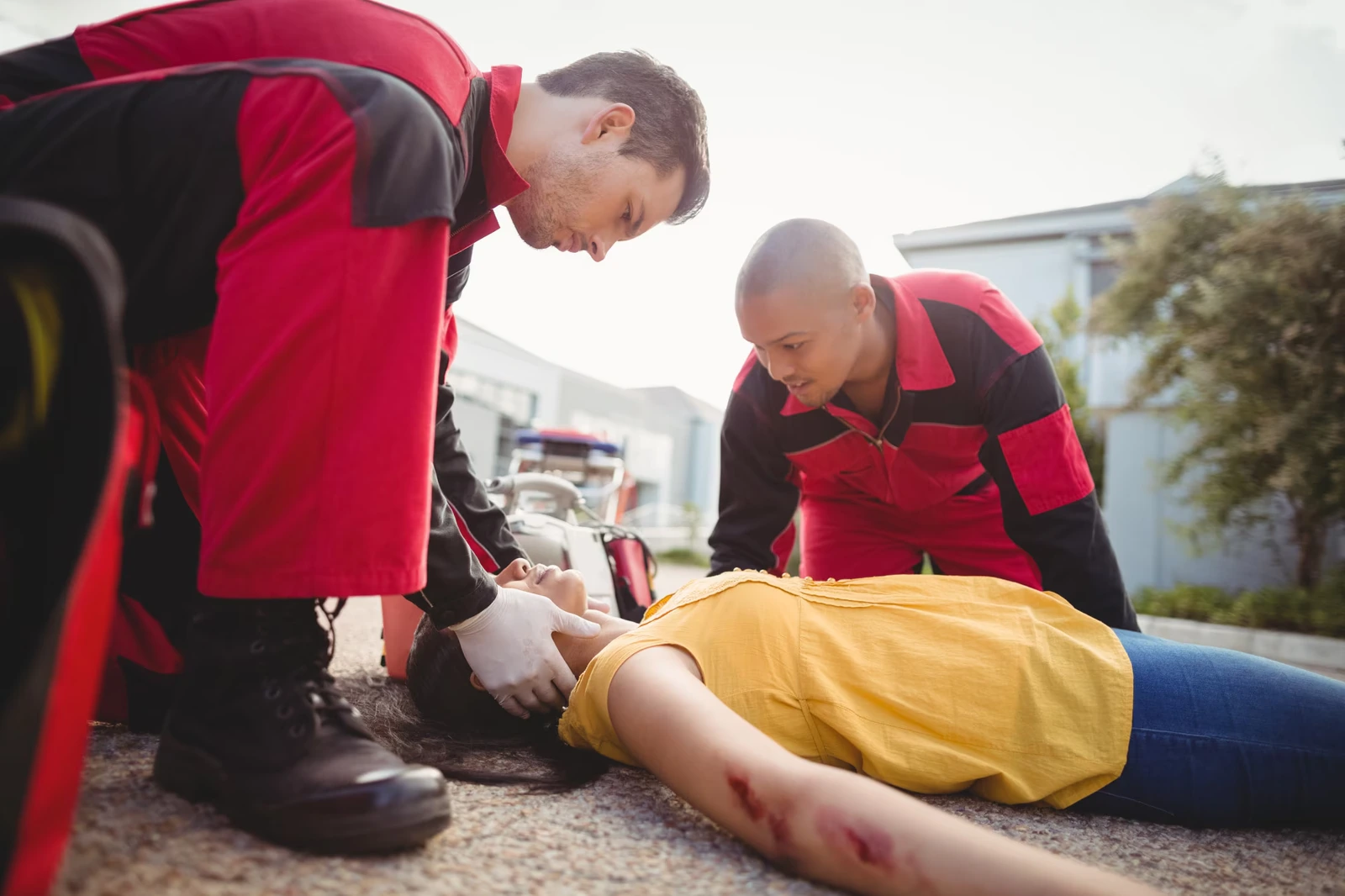
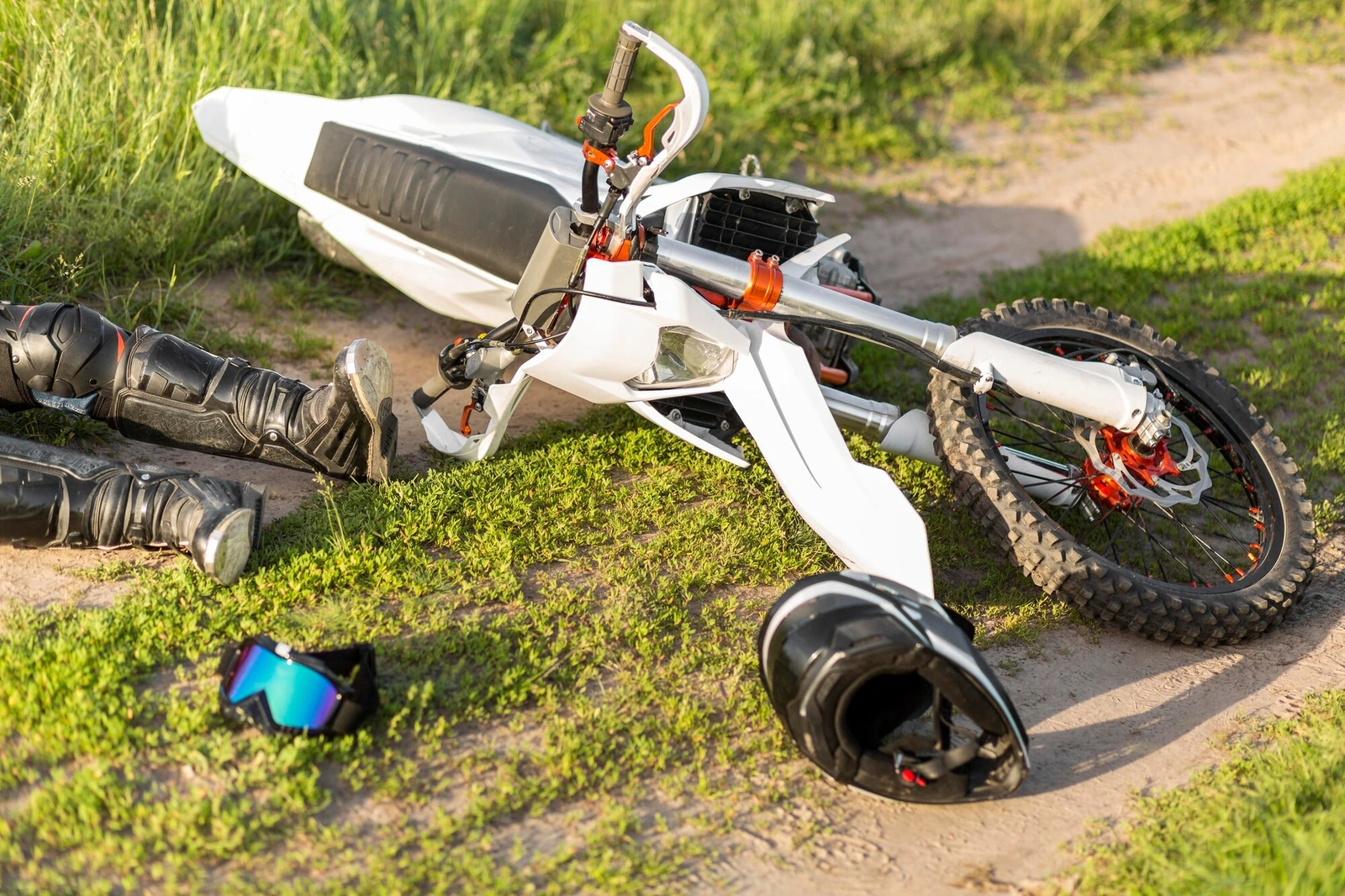
Insurance adjusters bring assumptions to a motorcycle claim that they would not bring to a typical car accident, and those assumptions tend to work against the rider from the first phone call.
Riders face a higher risk of catastrophic injury simply because there is no vehicle frame absorbing the impact. Helmet use often becomes a point of dispute even in states where it does not affect fault, and insurers frequently raise visibility arguments, claiming the other driver simply did not see the motorcycle in time. Road hazards like potholes, gravel, or poor lane markings can also play a bigger role in a motorcycle crash than they would in a car accident.
Because of this pattern of blame shifting, motorcycle claims often benefit from accident reconstruction and a more detailed investigation than a standard car accident case requires.
Accident Causes
A driver turning left across an intersection is one of the most common causes of serious motorcycle crashes, often because the driver misjudges the motorcycle's speed or distance.
When a driver fails to yield the right of way to an oncoming motorcycle, the rider is left with little room to avoid the collision.
A driver checking a phone is less likely to notice a motorcycle in time, since riders present a smaller profile than a car or truck.
Motorcycles can sit in a driver's blind spot more easily than a car, making unsafe lane changes especially dangerous for riders.
A driver following too closely behind a motorcycle has far less time to react if the rider needs to brake suddenly.
A parked car door opened into traffic can throw a rider from their motorcycle with little to no warning.
Impaired drivers react slower and misjudge distances, a serious risk for any rider sharing the road with them.
Potholes, loose gravel, and poor lane markings pose a far greater risk to a motorcycle than to a car, and can factor into how fault is determined.
Common Injuries
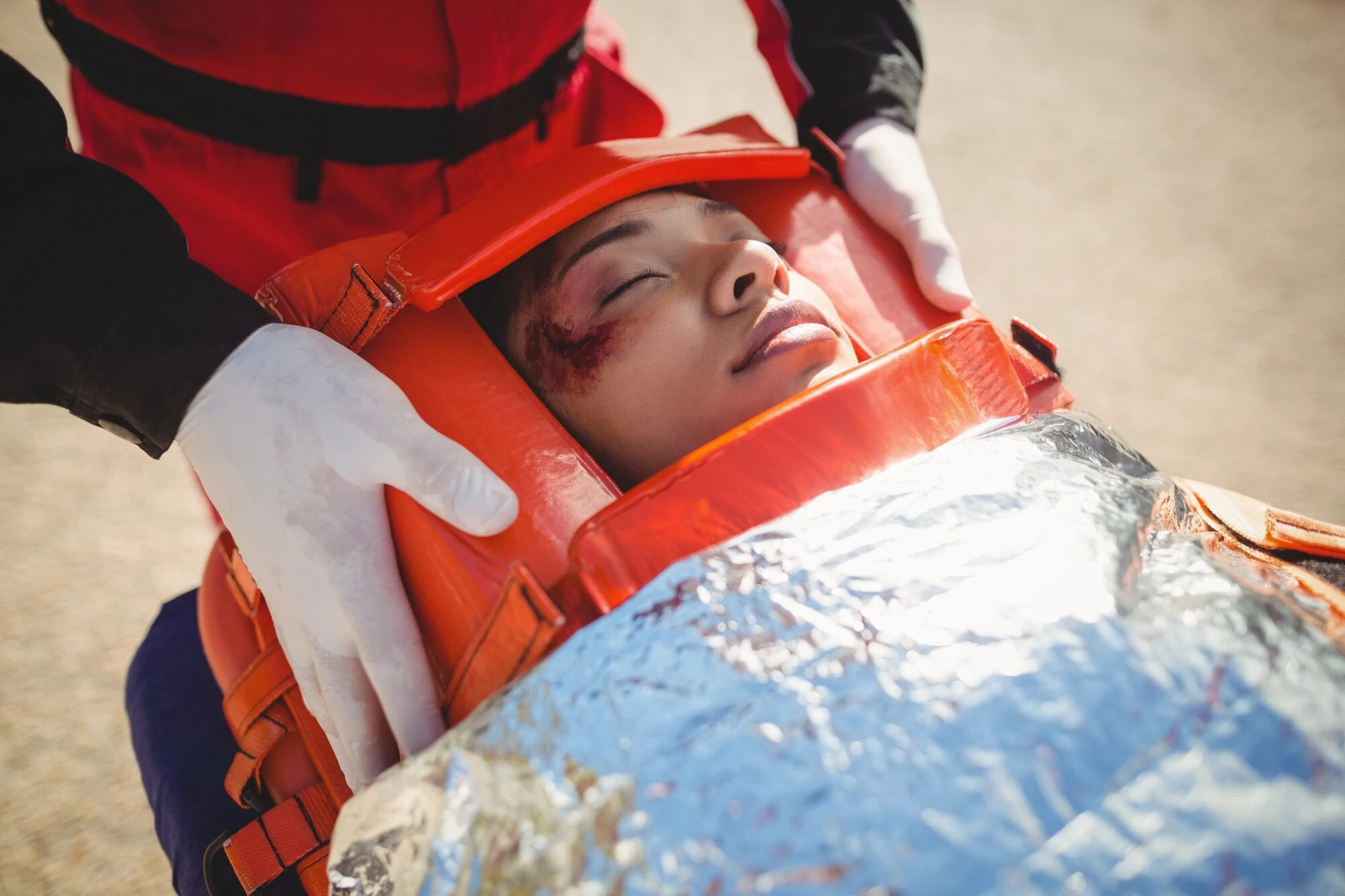
Without the protection of a vehicle frame, riders are far more likely to suffer injuries that require extensive treatment and long term care.
Accident Laws
Washington requires riders to wear a helmet, and whether one was worn can come up in a claim even when it did not cause the accident itself.
Washington does not permit lane splitting, and a citation or dispute over lane position can become a factor insurers try to use against a rider.
Washington requires motorcycle riders to carry liability insurance, and the limits on that policy can affect what is available after a serious crash.
Riding without a valid motorcycle endorsement can be used by an insurer to raise questions about a claim, even when licensing had nothing to do with the cause of the crash.
Washington's comparative fault rule means a rider can still recover compensation even if partially at fault, with the recovery reduced by their percentage of fault.
Insurance Blame
It is common for an insurance company to suggest a rider was speeding, weaving between lanes, or otherwise responsible for a crash before any real investigation has taken place. Helmet use gets raised even in cases where it had no bearing on how the accident happened, and lane positioning becomes an argument even when the rider was following the law.
This kind of bias is not evidence, it is a tactic. Physical evidence, traffic camera footage, witness statements, and accident reconstruction can all challenge an unfair narrative and show what actually happened. Even under Washington's comparative fault rule, being partially blamed does not mean losing your right to compensation, it means the burden is on us to show the fault that truly belongs to the other driver.

Compensation
*The compensation available depends on the facts of your case,


What to Do After
Why Choose us
Local Presence
Based in Vancouver, with firsthand knowledge of local roads and courts.
Courtroom Experience
Trial readiness that carries weight in every settlement conversation.
Serious Injury Focus
Deep experience with the catastrophic injuries riders often face.
Insurance Negotiation
Skilled at pushing back against biased assumptions before they shape your claim.
Willing to Fight Bias
We challenge unfair blame with evidence, not assumptions.
No Upfront Fees
You pay nothing unless we win your case.
FAQ
In many cases, yes. Helmet use does not automatically bar your claim, though it may come up during negotiations, which is why it matters to have an attorney who can address it directly.
Got some more questions? Send us a message at contact@vanwalegal.com
Contact us
If you were hurt riding in Vancouver or Clark County, you do not have to accept an insurer's assumptions about what happened. Talk to an attorney about your case at no cost, and pay nothing unless we win.