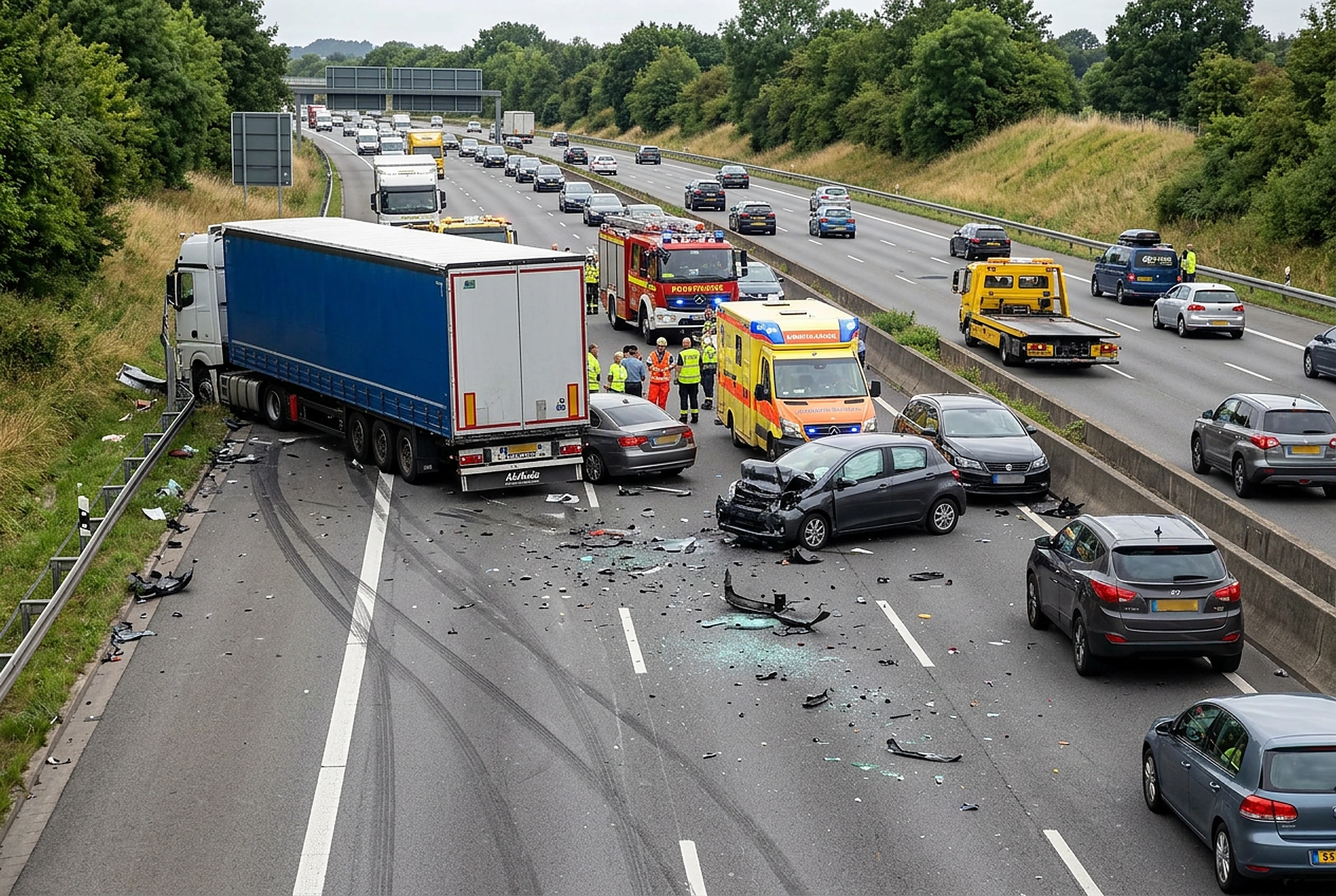
Multi vehicle crashes can involve several drivers, multiple insurance companies, and disputes over who caused what. VanWa Legal PLLC helps injured people in Vancouver and Clark County untangle complex chain reaction and pileup accident claims.
Serving Vancouver and Southwest Washington
$1.15M wrongful death settlement
No fee unless we win
Attorney led representation








A crash involving three or more vehicles rarely has a simple story. More than one driver may share fault, and each driver's insurance company has an incentive to point at someone else rather than pay your claim.
That finger pointing can leave an injured person caught in the middle while insurers argue among themselves, which is exactly why evidence needs to be preserved early, before skid marks fade and vehicles get repaired or scrapped. Washington's comparative fault rule means your recovery can still hold up even when fault is split between several drivers, but proving how that fault should be divided takes careful investigation.
VanWa Legal PLLC represents people injured in multi car accidents throughout Vancouver and Clark County, and we start untangling liability from the very first call.
Common Types
One driver's mistake sets off a series of collisions down the line, often leaving later vehicles unfairly blamed for a crash they had no way to avoid.
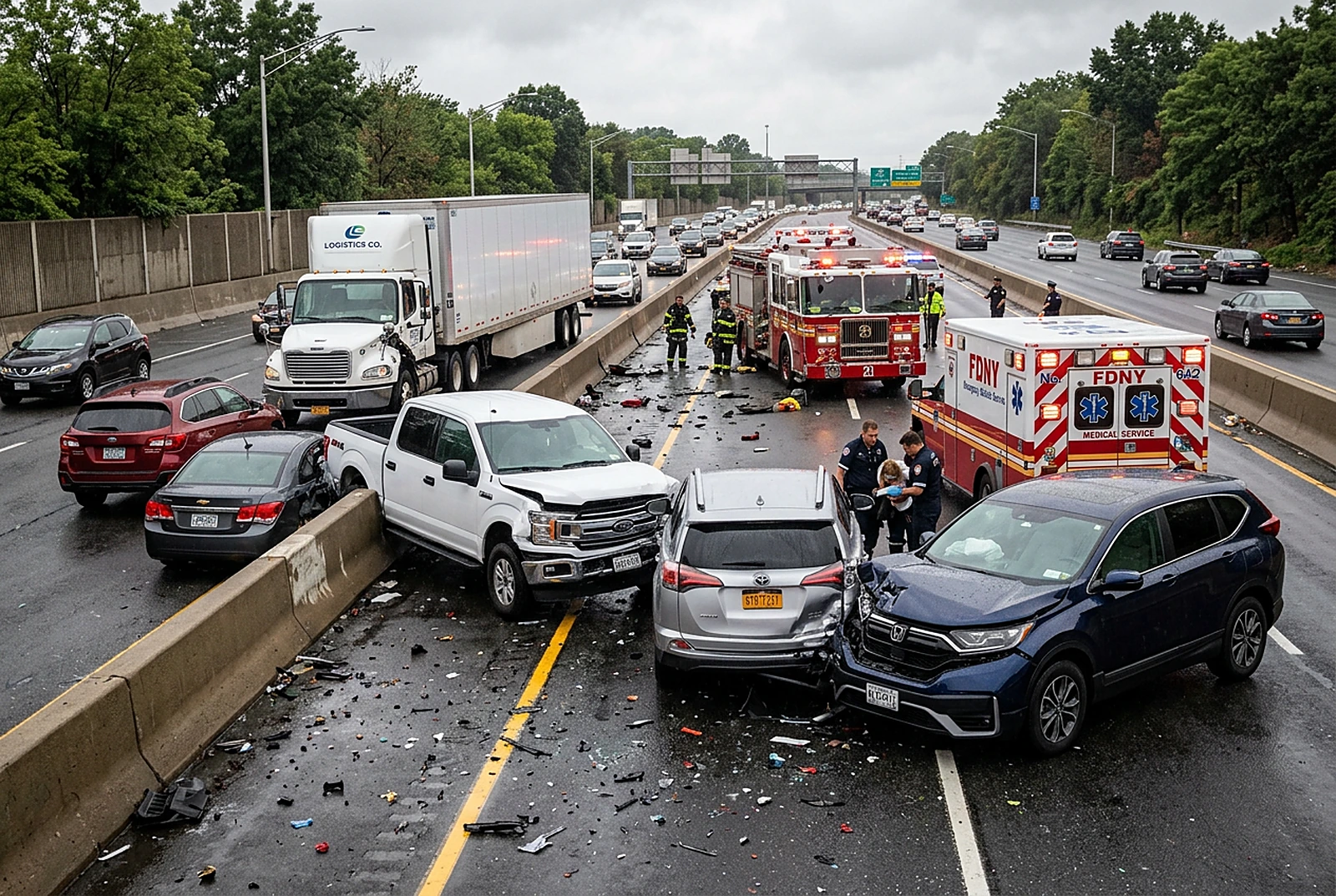
High speeds and heavy traffic on highways like I-5 and I-205 can turn a single collision into a dozen vehicle pileup within seconds.
A sudden stop can trigger a series of rear end impacts, with each driver's following distance playing a role in how fault gets divided.
When multiple vehicles enter an intersection at once, determining who had the right of way often requires more than a quick police report.
A commercial truck involved in a multi car crash adds another layer of liability, since the trucking company's policies and driver logs may also come into play.
An impaired or distracted driver can trigger a chain reaction crash that involves several other drivers who did nothing wrong.
Why it is Complicated
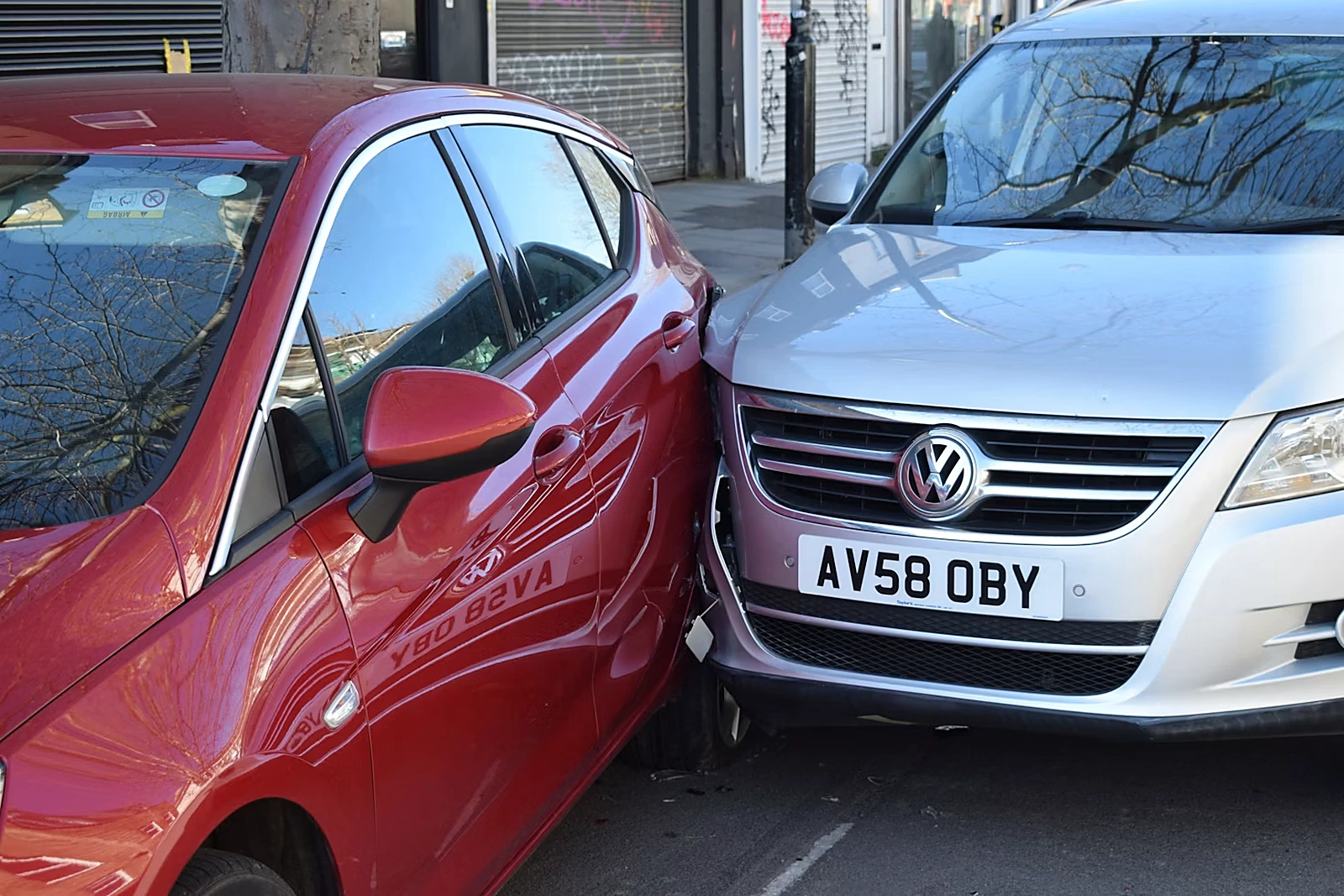
In a two car crash, fault usually comes down to one driver's mistake. In a multi vehicle crash, the question becomes which impact caused which injury, and whether the driver who hit you first is the one actually responsible.
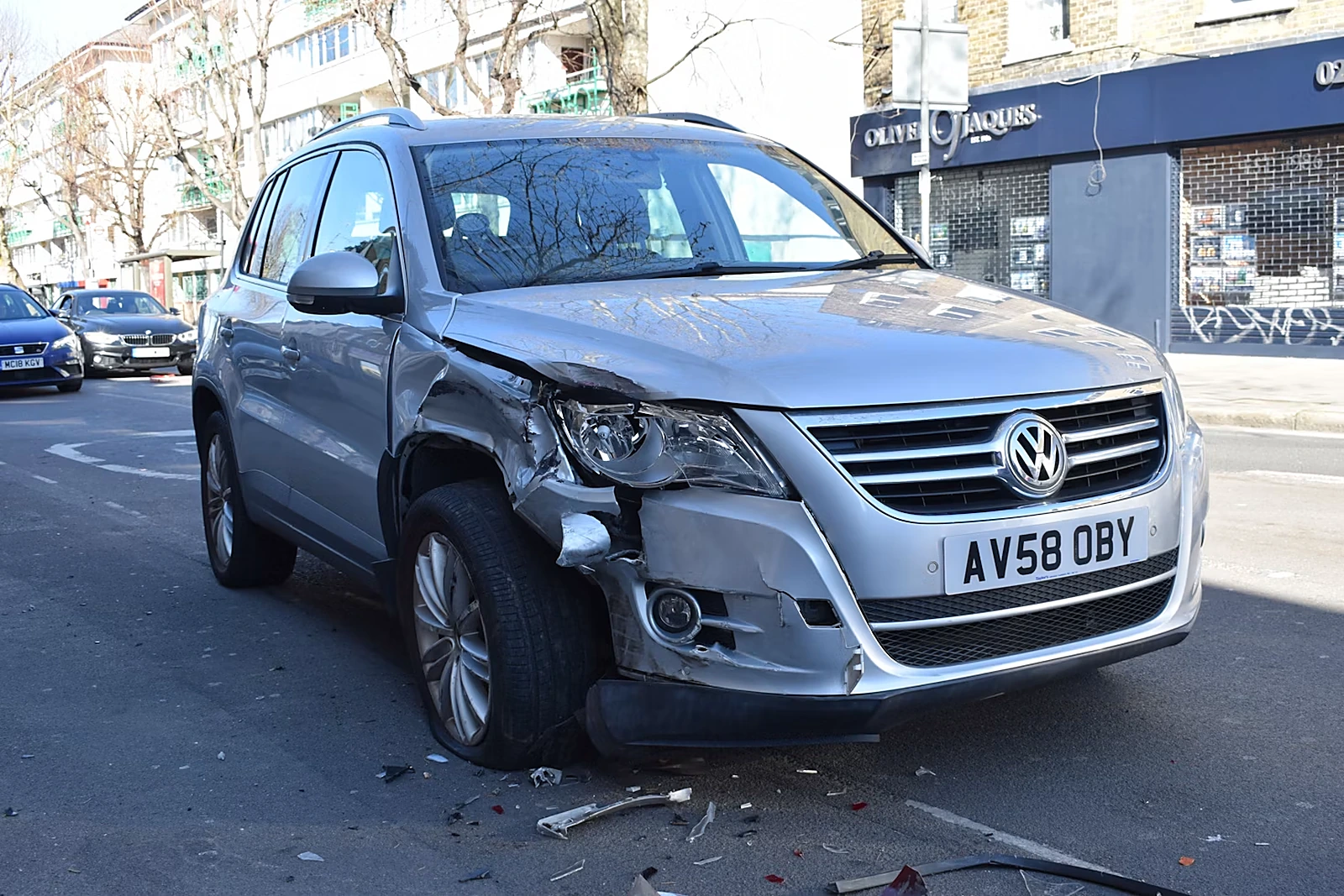
Sudden stops, following too closely, and poor weather or road conditions can all contribute to how a chain reaction unfolds, often with more than one negligent driver involved. Statements from different drivers frequently conflict, and insurance companies are quick to shift blame toward another party's policy rather than their own. Sorting out what really happened, and in what order, often requires accident reconstruction rather than relying on a police report alone.
Evidence Used
Common Injuries
Insurance Issues
A multi vehicle crash often means dealing with more than one liability policy at once, and each insurer may try to limit their own exposure by pointing at another driver. Your own PIP coverage typically pays medical bills first regardless of fault, while underinsured motorist coverage (UIM) can help if the driver or drivers responsible do not carry enough insurance to cover your losses.
Bodily injury policy limits become especially important here, since a serious multi car pileup can produce damages that exceed what any single driver's policy can pay. This is exactly why you should not settle with one driver's insurer before understanding the full picture of liability, doing so can close off your ability to pursue other responsible parties later.
Compensation
*The compensation available depends on the facts of your case,
What to Do After
FAQ
Fault often depends on the order of impacts and each driver's actions leading up to the crash, which can require accident reconstruction to sort out fairly.
Got some more questions? Send us a message at contact@vanwalegal.com
Contact us
If you were hurt in a chain reaction crash or highway pileup, you do not have to sort out who is responsible on your own. Talk to an attorney about your case at no cost, and pay nothing unless we win.